parable.school
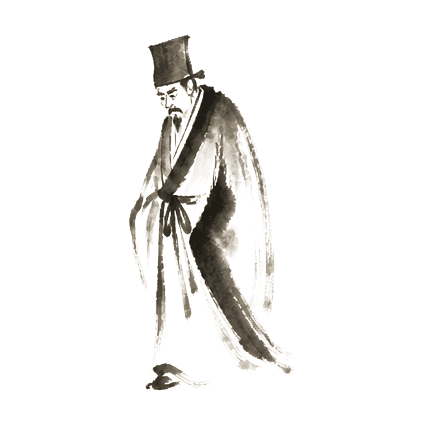
Sumi-e ink brushwork of a learned visitor in formal robes and a tall scholar’s hat, walking forward, head bowed slightly

A university professor came to Nan-in to ask about Zen.
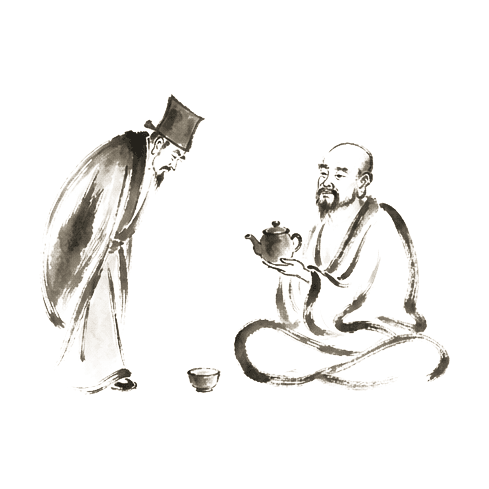
Sumi-e ink brushwork of a bowed visitor facing a seated older figure who holds a small teapot, with a small cup between them

Nan-in served tea.

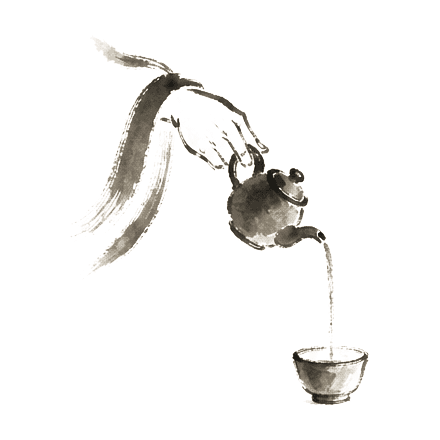
Sumi-e ink brushwork of a hand tilting a small teapot, tea streaming downward into a small cup below

He poured into the visitor’s cup. The cup filled. He kept pouring.
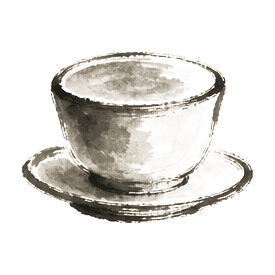
Sumi-e ink brushwork of a small ceramic teacup filled to the rim on a saucer

The tea ran across the saucer. It ran across the table. It dripped onto the floor.

“It is overfull! No more will go in.”Nan-in set down the pot.
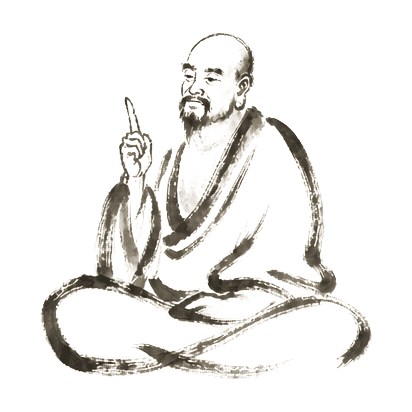
Sumi-e ink brushwork of Nan-in alone, seated cross-legged in simple robes, one finger raised in calm instruction

“Like this cup, you are full of your own opinions and speculations. How can I show you Zen unless you first empty your cup?”

空杯
kūhaiempty cup

lineage

Tradition associates the story with Nan-in Zengu (南隠全愚, 1834–1904), a Rinzai Zen master active in central Japan during the Meiji period. Whether the encounter is historical or composed is contested; what is certain is the form. It belongs to a long Zen genre in which a teacher refuses to argue with a student’s ideas, and instead arranges a small physical event that does the arguing for them.

The version most readers know comes from Paul Reps and Nyogen Senzaki’s Zen Flesh, Zen Bones (1957), a small paperback that put more Zen anecdotes into English than any single book before it. Two generations of Western readers have treated the collection as canonical.

The teaching is that nothing new enters a mind already certain. The emptying has to come first.