parable.school
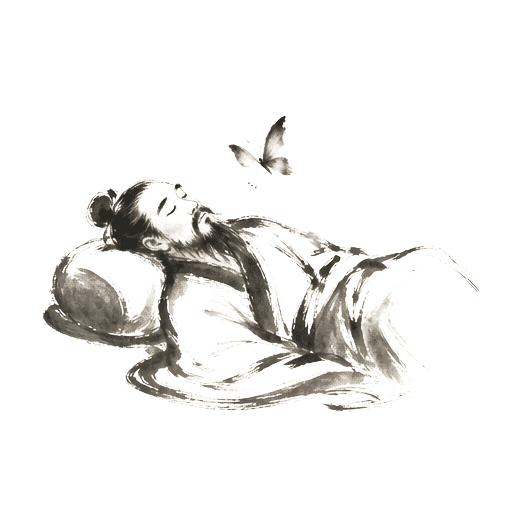
Sumi-e ink brushwork of a sleeping figure on a low cushion with a small butterfly hovering near the face

Once, Zhuang Zhou dreamed he was a butterfly.
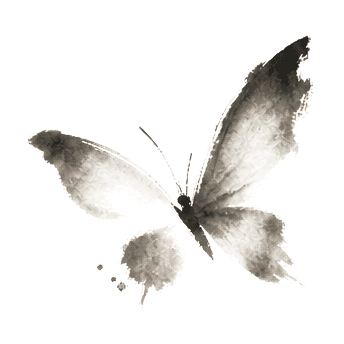
Sumi-e ink brushwork of a single butterfly mid-flight, wings spread, drifting through empty space

He fluttered through a garden, content with his own butterfly nature. He did not know that he was Zhuang Zhou.
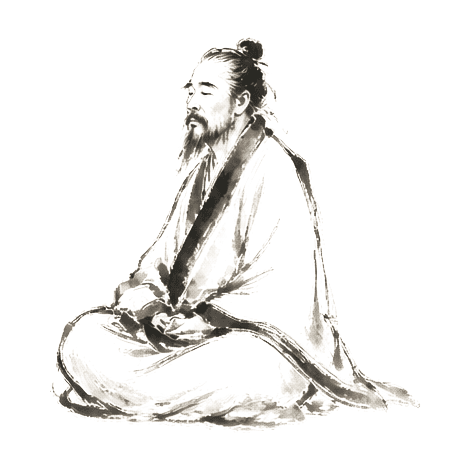
Sumi-e ink brushwork of a seated figure upright after waking

Suddenly he woke.

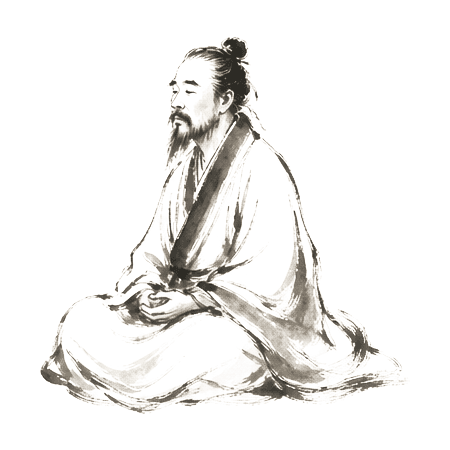
Sumi-e ink brushwork of a single seated scholar in plain robes, hands clasped in his lap, alone and present

He was solidly Zhuang Zhou again.

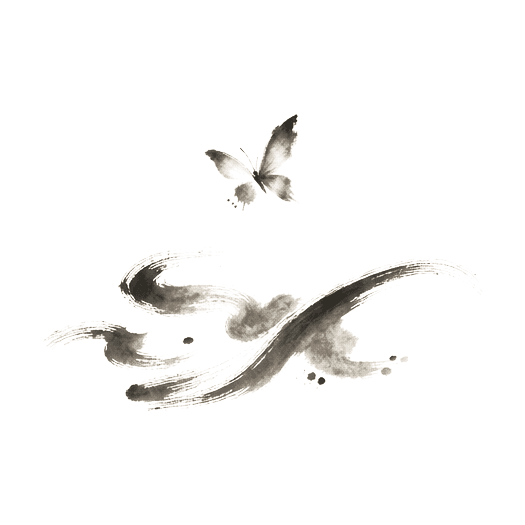
Sumi-e ink brushwork of a small butterfly hovering above a few abstract brushstrokes, half-dream half-real

He could not tell. Had Zhuang Zhou dreamed he was a butterfly? Or was a butterfly now dreaming it was Zhuang Zhou?

蝴蝶夢
hú dié mèngbutterfly dream

lineage

The story is the closing image of chapter 2 of the Zhuangzi, known as 齊物論 (Qí Wù Lùn, “Discussion on Making All Things Equal”). The chapter is the philosophical heart of the book: a long argument that the categories we use to divide the world (true and false, self and other, large and small) are softer than they look.

不知周之夢為胡蝶與,胡蝶之夢為周與?

I do not know whether Zhou dreamed he was a butterfly, or the butterfly is now dreaming it is Zhou.

The dream resolves nothing, and that refusal is the work it does. Most readings treat the parable as an image of 物化 (wùhuà, “the transformation of things”), the Daoist sense that beings flow into other beings without being kept apart by their names.

The parable has had an immense afterlife outside China: in Borges, in cognitive science, in any conversation that turns on whether what feels real is real. The Zhuangzi is content not to answer.