parable.school
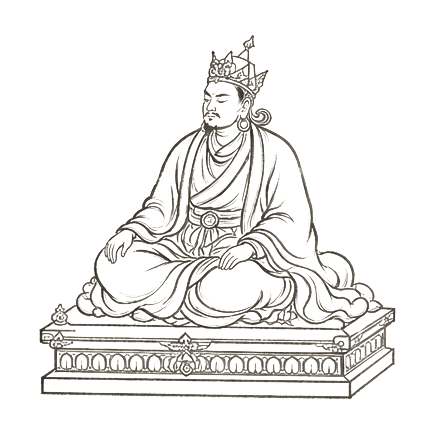
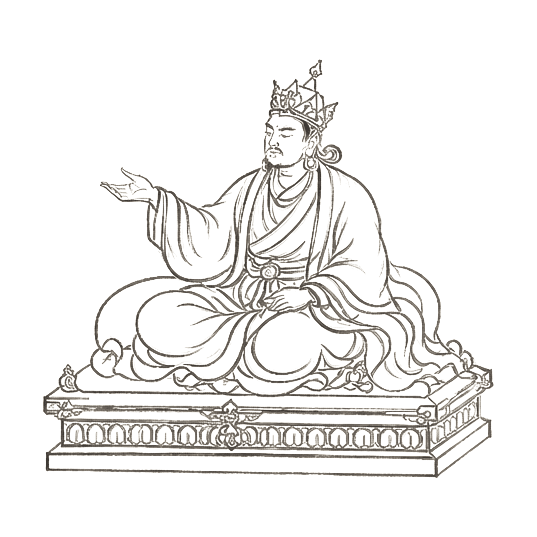
Sumi-e ink brushwork of an enthroned king in flowing robes seated on a low dais, gesturing with one hand toward unseen attendants

A king ordered that men born blind be brought to his palace.
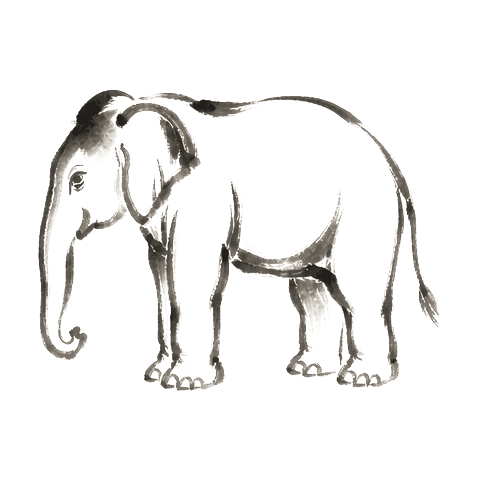
Sumi-e ink brushwork of a single elephant standing alone, large body rendered in two or three confident brushstrokes

He had an elephant led into the courtyard.
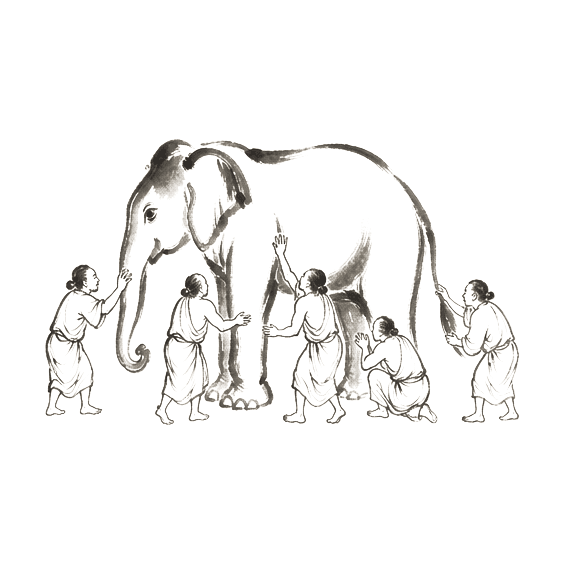
Sumi-e ink brushwork of an elephant with several small human hands reaching from different directions to touch its body — side, tusk, trunk, leg, ear, tail

To each man, he gave one part of the elephant to touch — and then asked: What is an elephant?
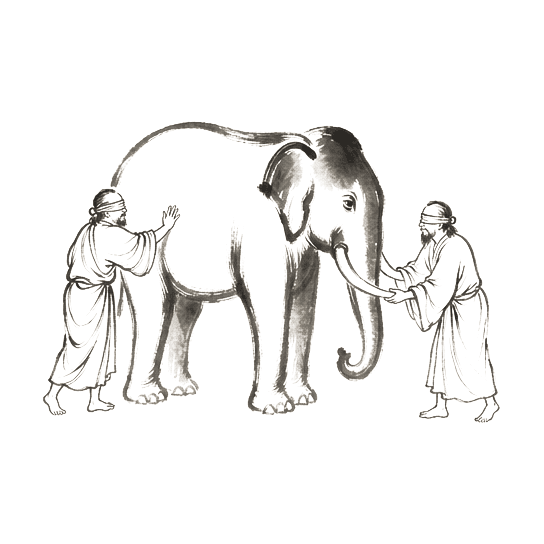
Sumi-e ink brushwork of two blind men in robes — one with palm flat against an elephant’s broad flank, the other gripping a curved tusk

The one who felt the side said, “It is like a wall.” The one who felt the tusk said, “It is like a spear.”
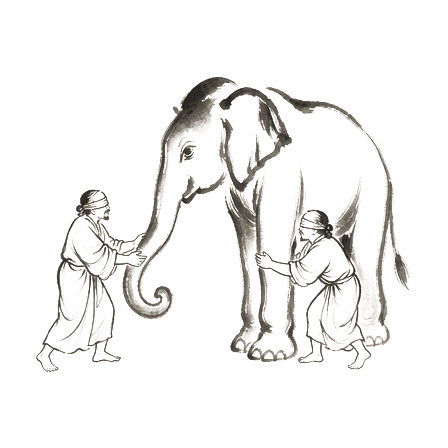
Sumi-e ink brushwork of two blind men in robes — one holding an elephant’s trunk like a serpent, the other with arms encircling a thick leg

The one who felt the trunk said, “It is like a great snake.” The one who felt the leg said, “It is like a tree.”
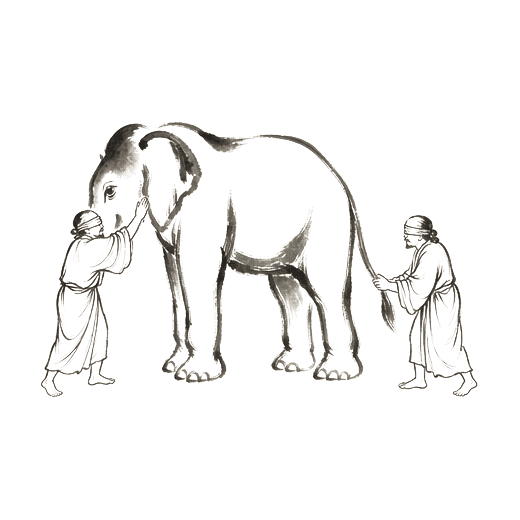
Sumi-e ink brushwork of two blind men in robes — one feeling the elephant’s broad ear, the other holding the thin tail

The one who felt the ear said, “It is like a winnowing fan.” The one who felt the tail said, “It is like a rope.”
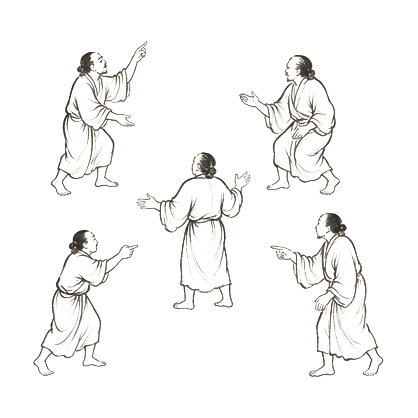
Sumi-e ink brushwork of several small human figures scattered in space, each gesturing differently

Each was certain. Each began to tell the others that they were mistaken. They began to argue, then to shout, then to strike at one another.

Sumi-e ink brushwork of an enthroned king alone, hands resting on his knees, eyes lowered in calm silence

The king watched, and said nothing.

andha gaja
the blind men and the elephant

lineage

The parable appears in the Pali Canon at Udāna 6.4, the Tittha Sutta (“The Various Sectarians”). The Buddha tells the story to his monks after they report sectarian wanderers in Sāvatthī arguing that only their own view is true and every other school is mistaken.

ekameva saccaṃ, mogho aññoti

Only this is the truth; everything else is false. — what each blind man, and each clinging mind, declares.

The story has parallel versions in Jain and Hindu sources, and is one of the most-traveled parables in world literature. John Godfrey Saxe’s 1872 poem (in his collection Poems) brought it into English. The beats on this page follow Saxe’s body-part list — wall, spear, snake, tree, fan, rope — which is his Western retelling rather than the Pali. The Pali Udāna pairs ear with winnowing basket, tusk with plowshare, trunk with plow-pole, foot with post, tail with pestle, and so on across nine parts. Both lists carry the same teaching.

The Buddha’s observation in the Udāna: any view defended as the only one is the work of a hand on one part of a body much larger than the hand.